

Get Informed for Free and Without Obligation — We Guarantee the Best Price and Coverage
▷ Health Insurance ⭐


“Without a doubt, the best. Very friendly and punctual on the call. They gave me accurate information about health insurance. Thank you so much! ”
Jose Muñoz Blanco
“They called me at the time I requested, great service, the health insurance enrollment was easy, and at a price lower than what I’m currently paying. ”
Alba Navarro Pérez

Bruxism and Health Insurance in Spain in 2026
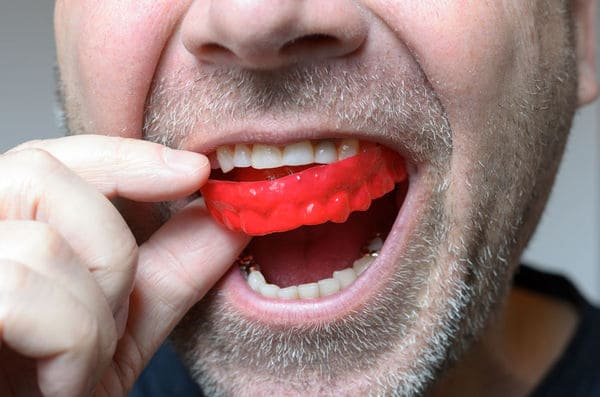
Bruxism is the habit of clenching or grinding the teeth, and this activity serves no functional purpose, such as chewing food. It usually occurs unconsciously and is often accompanied by headaches and pain in the jaw muscles, neck, and ears.
The constant friction causes the familiar grinding sound and can wear down the teeth, increasing their sensitivity. This habit can be bothersome and annoying to partners and people nearby. Bruxism is defined as a persistent secondary jaw function that can occur during the day or night. The nighttime version is more common, as it is related to sleep and therefore harder to control.
What Signs and Symptoms Should I Watch for with Bruxism and Health Insurance in Spain?
- Rhythmic contractions of the jaw muscles
- Jaw muscle activity when not eating
- Grinding sounds (especially at night or even during naps)
- Input from a partner or family member can be very helpful here
- Jaw tightness or pain
- Swelling on the underside of the jaw (occasionally)
- Damage to dental appliances
- Cracked or broken teeth or molars
- Changes in bite
- Tooth sensitivity to hot or cold beverages (due to enamel wear or loss)
- Muscle fatigue
- Muscle pain (face, neck, ears, or upper back)
- Auditory system dysfunction, such as ringing or tinnitus
What Causes Bruxism in Spain?
While the exact cause of bruxism is still debated, daytime stress is often a major trigger. Even if the teeth are worn down, some people may clench their jaws without experiencing symptoms. Pain and other consequences often result from a combination of factors, such as:
- Personal stress levels
- How long and how intensely teeth are clenched or ground
- Misaligned teeth (malocclusion)
- Ability to relax
- Diet and food types
- Sleep habits
Consequences of Bruxism in Spain
Bruxism can lead to tooth hypersensitivity, especially when dentin is exposed due to wear. It can also cause serious imbalances in the temporomandibular joint (TMJ), trouble swallowing, tooth mobility, and even tooth loss. These require dental treatment, but the underlying causes may need to be addressed by a psychologist.
Bruxism involves excessive activity of the masseter and temporal muscles, which can lead to high muscle tension in the back and neck, facial pain, and even cervical or back issues. In some cases, symptoms like dizziness may also appear.
Diagnosing Bruxism in Spain
During regular dental checkups, your dentist may look for signs of bruxism. If bruxism is suspected, the dentist will monitor changes in your teeth and mouth during follow-up visits to determine if treatment is needed.
To identify the cause, your dentist may ask about your dental health, medications, daily routines, and sleep habits. They may check for:
- Mild pain in the jaw muscles
- Obvious dental abnormalities, such as broken or missing teeth
- Other internal damage using X-rays, including issues in the underlying bones and cheeks
Exams can also rule out other conditions that cause similar pain, such as TMJ disorders or other dental/health issues.
Referral:
If bruxism appears related to serious sleep problems, your doctor may refer you to a sleep specialist, who might conduct a sleep study to evaluate grinding severity and check for sleep apnea or related conditions.
Risk Factors for Bruxism in Spain
The following can increase your risk of developing bruxism:
- Stress: Anxiety or increased stress may lead to teeth grinding, often related to feelings of anger or frustration.
- Age: Bruxism is common in young children but usually disappears with age.
- Personality type: Aggressive, competitive, or hyperactive personalities are more likely to experience bruxism.
- Drugs and substances: Certain psychiatric medications (such as some antidepressants) can cause bruxism as a side effect. Tobacco, caffeine, alcohol, and recreational drugs also raise the risk.
- Family history: Nighttime bruxism often runs in families. If you grind your teeth, other family members might as well.
- Other conditions: Bruxism may be associated with Parkinson’s disease, dementia, GERD, epilepsy, night terrors, sleep disorders (like sleep apnea), or ADHD.
Treatment for Bruxism in Spain – 2026
In many cases, no treatment is required. Children often grow out of bruxism, and adults may not grind or clench severely enough to warrant treatment. However, for severe cases, medication, dental treatment, or other methods may be needed to prevent further damage and reduce discomfort. Speak with your dentist or doctor to find the best option.
Dental options:
If you or your child has bruxism, your doctor may suggest the following to protect or strengthen your teeth. These won’t stop bruxism but may reduce its effects:
- Mouthguards or splints: These are designed to separate the teeth and prevent damage from grinding or clenching. Made of hard acrylic or soft material, they fit over the upper or lower teeth.
- Orthodontics: In severe cases involving sensitivity or impaired chewing, the dentist may reshape the tooth surface or place a crown to restore function.
Other treatments:
- Stress or anxiety management: Learning relaxation techniques, such as meditation, can help reduce grinding caused by stress. If anxiety is a factor, therapy with a licensed counselor may help.
- Behavioral changes: Once you’re aware of bruxism, you can retrain yourself to maintain proper jaw position. Ask your dentist for guidance. If it’s hard to change habits, biofeedback tools can help you control jaw muscle activity.
- Medications (rarely used): These are generally not the first choice and require more research, but possible options include:
- Muscle relaxants (sometimes prescribed before sleep)
- Botox injections (may help in severe cases)
- Anti-anxiety or stress-related medications, such as short-term antidepressants
Treating Bruxism-Related Conditions in Spain
- Medications: If bruxism is a side effect, your doctor may adjust your prescription.
- Sleep disorders: Treating conditions like sleep apnea can significantly reduce nighttime bruxism.
- Other health conditions: If reflux disease or another illness is the cause, treating that condition may reduce bruxism.
Complications of Bruxism in Spain
In some cases, bruxism and health insurance in Spain do not result in serious complications. However, severe bruxism can cause:
- Damage to teeth, crowns, restorations, or jaws
- Tension headaches
- Severe jaw or facial pain
- TMJ disorders, which may include clicking sounds when opening or closing the mouth
When to See a Doctor for Bruxism in Spain
If you experience any of the symptoms mentioned above, or have concerns about your teeth or jaw, speak with your dentist or doctor. If your child grinds their teeth or shows other signs of bruxism, mention it during your next dental visit.For more information, fill out the form at the top and we’ll contact you at no cost.
We Help You Find the Best Health Insurance for You or Your Loved Ones

At MejorSeguroMedico.es, we want to protect and take care of your health. You can get your health insurance up to the age of 84. It’s designed to offer the best health coverage for you or your loved ones. ✅ We Guarantee the Best Price and Coverage Based on Your Specific Needs. Get Informed for Free and Without Obligation.