

Get Informed for Free and Without Obligation — We Guarantee the Best Price and Coverage
▷ Health Insurance ⭐


“Without a doubt, the best. Very friendly and punctual on the call. They gave me accurate information about health insurance. Thank you so much! ”
Jose Muñoz Blanco
“They called me at the time I requested, great service, the health insurance enrollment was easy, and at a price lower than what I’m currently paying. ”
Alba Navarro Pérez

Does Health Insurance Cover Herniated Disc in Spain?
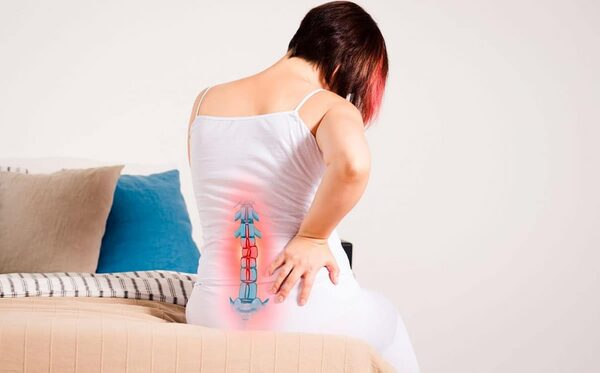
A degenerative disease of the spine, a herniated disc mainly occurs due to aging, and we ask ourselves, Does Health Insurance Cover Herniated Discs in Spain? Other causes include blows, trauma, and osteoporosis. The spine is composed of vertebrae from the cervical area to the lumbar area.
There is a cushion between each vertebra called a disc, which consists of the fibrous ring and its gelatinous nucleus. The fibrous ring forms the outer part of the intervertebral disc, it is tough but flexible and surrounds the gelatinous nucleus, holding it in place and preventing it from moving. The gelatinous nucleus (the interior of the intervertebral disc) is jelly-like, which helps reduce weight.
When the fibrous ring breaks or cracks, the content of the gelatinous nucleus leaks out. This outflow of tissue is called a herniated disc, which technically is a protrusion of the gelatinous nucleus. When a hernia occurs, the gelatinous nucleus no longer stays in its natural position and invades other areas, which can damage the nerve roots and even the spinal cord. This compression of the root is the cause of pain.
Best Health Insurance Providers that Cover Herniated Discs in Spain:
- Sanitas Sanitas is one of the most recognized insurers in Spain and offers a wide range of policies that include coverage for herniated discs. Their plans generally cover diagnoses, consultations with specialists, conservative treatments like physiotherapy, and surgical procedures if necessary. Additionally, Sanitas has a network of quality hospitals and clinics, ensuring access to the best specialists in traumatology and neurosurgery. It’s important to review whether the chosen policy has waiting periods for surgical treatments.
- Adeslas Adeslas is another major insurer in the country and offers various policy options that cover herniated discs. With a comprehensive approach, their plans include medical consultations, diagnostic tests like MRIs, and surgical treatments. Adeslas has a wide network of medical centers and specialists, which facilitates timely care. Like Sanitas, it is important to verify the specific conditions of each policy, especially regarding waiting periods.
- DKV Seguros DKV is known for its focus on health and well-being. Their policies include coverage for herniated discs, covering everything from diagnosis to surgical treatments. DKV also offers additional services such as prevention and follow-up programs, which can be beneficial for those suffering from this condition. It’s advisable to check if the policy allows access to spinal surgery specialists and what the procedure is to obtain surgery authorization.
- Asisa Asisa offers plans that include coverage for herniated discs, and is characterized by its customer service and ease of access to specialists. Their policies typically cover both conservative and surgical treatments and facilitate necessary diagnostic tests for an accurate diagnosis. Asisa stands out for its personalized care approach, which can be an important factor for those seeking an insurer that provides close follow-up of their condition.
- Mapfre Mapfre is another excellent option that offers coverage for herniated discs in its health plans. Their plans cover everything from primary care to surgical treatments, including access to a network of specialists in various areas. As with other insurers, it is crucial to read the policy conditions and understand any limitations or exclusions.
Considerations When Choosing Health Insurance:
When selecting the best health insurance that covers herniated discs, it is important to consider several factors:
- Comprehensive Coverage: Ensure the policy includes both diagnosis and treatment, as well as access to specialists.
- Provider Network: Verify whether the insurer has a large network of hospitals and specialists in spinal conditions.
- Waiting Periods: Understand the waiting periods, especially if you need immediate treatment.
- Costs and Co-payments: Check if there are co-payments for consultations and procedures, and what the coverage limits are.
Conclusion: In conclusion, having health insurance that covers herniated discs is essential to ensure timely and proper treatment. Insurers like Sanitas, Adeslas, DKV, Asisa, and Mapfre offer a variety of options that can fit your needs. It is always recommended to compare policies and read the conditions carefully to make an informed decision.
What Exclusions Does Health Insurance Have for Herniated Discs in Spain?
When purchasing health insurance in Spain, it is crucial to be aware of the specific exclusions related to herniated discs. While many policies cover diagnosis and treatment, there are certain limitations.
- Pre-existing Conditions One of the main exclusions is pre-existing conditions. If you have already been diagnosed with a herniated disc before purchasing the insurance, treatment is likely not covered. This includes consultations as well as any necessary surgical interventions.
- Medically Unjustified Treatments Procedures that are not medically justified may be excluded. For example, if surgery is requested solely for cosmetic reasons, the insurer may deny coverage unless there is a strong medical indication.
- Coverage Limits Some policies impose a limit on the amount they cover for specific procedures. This could result in additional expenses for the patient.
To avoid surprises, it is advisable to read the policy conditions carefully and consult the insurer.
What Waiting Period Does Health Insurance Have for Herniated Discs in Spain?
The waiting period is an important aspect to consider when purchasing health insurance in Spain, especially for conditions like herniated discs. This term refers to the time that must pass from the purchase of the policy until the insured can access certain treatments or services.
- Duration of Waiting Period The waiting periods can vary significantly between different insurers and types of policies. In the case of a herniated disc, some companies may impose waiting periods of several months for surgical procedures or specialized treatments. This means that if you already have symptoms or have been diagnosed before purchasing the insurance, you may not be able to receive treatment immediately.
- Types of Coverage Affected Waiting periods are usually applied to surgical and specialized treatments. For initial diagnoses and conservative treatments like physiotherapy or medication, the waiting period may be shorter or even nonexistent in some policies.
- Importance of Knowing the Waiting Period Knowing the waiting period is vital to avoid surprises. When choosing a policy, review these conditions carefully and consider options that offer short or no waiting periods for treatments related to herniated discs. This will allow you to access the necessary care in a timely manner.
Types of Herniated Discs in Spain:
- Herniated Disc: When the gelatinous nucleus has not yet left the fibrous ring but weakens and causes the structure to protrude. This is the first stage of a disc herniation.
- Intervertebral Disc Herniation: The material from the gelatinous nucleus has left the boundaries of the ring.
- Severe Intervertebral Disc Herniation: The extrusion of intervertebral disc material is severe, destroying the posterior common ligament and leaving free fragments in the spinal canal.
Symptoms of Herniated Discs in Spain:
A cervical herniated disc can cause neck pain, which can radiate to the arms and shoulders, or cause numbness or tingling in the arms or hands. Sometimes, the pain may be dull, persistent, and difficult to locate. In addition to this pain, symptoms of a herniated disc include:
- The first sign of a herniated disc is pain in the arm and neck.
- If there is numbness or tingling, it may indicate a more serious problem.
- Pain may appear suddenly or may be preceded by a feeling of the spine tearing or bursting.
- Patients often complain of severe pain, incision pain, and in some cases, there may be a history of previous episodes of local pain that radiated to the calves.
- If the pain develops slowly, it may worsen when the patient sits, stands, or laughs for extended periods.
- Weakness is also a common symptom affecting the legs or arms, which can make moving them difficult.
Causes of Herniated Discs in Spain:
The vertebrae of the spine are separated by intervertebral discs, which cushion movement and create space between the vertebrae. They allow the same movement, so they can bend or stretch downward.
The vertebrae also protect the spinal cord from the brain and extend to the lumbar region. The disc plays a very important role in cushioning and distributing the load, so if not handled in time, any damage to the disc will be very serious.
The disc may slip, bulge, or crack due to injury or pressure, which can cause excessive pressure on the spinal nerves, leading to pain, numbness, or weakness.
Usually, the herniated disc is located in the lumbar area, with the second most affected area being the cervical disc (neck).
Diagnosis of Herniated Disc in Spain:
To diagnose a herniated disc, a specialist will conduct a physical examination of the spine, arms, and lower extremities. Depending on the area of the patient’s symptoms, the specialist will look for possible numbness or decreased sensitivity.
They will also look for muscle reflexes that may be affected, slowed, or even absent. Additionally, they will assess the patient’s muscle strength and the shape of the spine.
Diagnostic tests that can confirm a herniated disc include:
- An electromyogram will determine the affected nerve root and the location of the compression.
- Myelography to determine the size and location of the hernia.
- An MRI to show if there is pressure on the spinal cord.
- An X-ray examination of the spine to rule out other injuries that may cause neck or back pain.
Why Does Herniated Disc Occur and Its Consequences in Spain:
A hernia occurs when the gelatinous nucleus retreats due to degeneration of the intervertebral disc ring (a herniated disc) and even exits the intervertebral space, becoming free fragments in the spinal canal.
This condition is typically related to vertebral degeneration, excessive physical work, or trauma, and is more common after the age of 30. The pain occurs because a herniated disc compresses the neurons passing through the neural tube, which can cause compression of the nerve root (radiculopathy) or compression of the spinal cord (myelopathy).
The areas of the spine most vulnerable to such injuries are the cervical and lumbar regions due to their greater mobility. Particularly between C4 and C6, and between L4-L5 and S1 (C = cervical spine; L = lumbar spine; S = sacral spine). Hernias usually occur on the side because there is a strong ligament (posterior common ligament) in the back area that prevents posterior hernias.
Fortunately, there is no spinal cord at this level, only nerve roots, so the damage is not to the spinal cord but to the root. From a neurological perspective, the consequences are not as severe. In the case of cervical herniation, spinal cord injury may cause additional problems.
Treatment of Herniated Disc in Spain:
For patients in this situation, the initial treatment is rest and pain relievers, followed by a period of physiotherapy. In some cases, recovery is almost immediate, but in other cases, medication or injections may be needed.
Corticosteroids, non-steroidal anti-inflammatory drugs (NSAIDs), and muscle relaxants are commonly used to control pain. Injections into the area of the back where the disc herniated can help control pain for several months. Additionally, these injections significantly reduce inflammation of the disc.
The last option is microdiscectomy, which is considered a surgery to relieve pressure on the nerve root and allow the nerve to heal more effectively.
This type of intervention is not very difficult, as it usually only requires a small incision overnight. Regarding the treatment of intervertebral disc herniation, Dela Torre stated: “One of the most important advances is the improvement in the accuracy of diagnostic tools, making the treatment more effective and specific in managing both conservative treatments and surgery.”
At What Age Do Herniated Discs Typically Appear in Spain?
A herniated disc can occur at any age due to its multiple causes. However, it begins to be more frequent in the age group of 30 to 50 years and is more common after the age of 50. It is estimated that over 80% of people begin to show disc degeneration.
Recovery and Risks of Herniated Disc Surgery in Spain:
The recovery period after herniated disc surgery depends partly on the type of surgery, but mainly on the patient. Generally, recovery takes 2 to 6 weeks. After one and a half months of intervention, the patient can return to work.
Does Health Insurance Cover Herniated Discs in Spain?
The truth is that your insurance will cover the costs of the disease. The surgeon in charge of the surgery will outline recovery guidelines and their effects and consequences. However, research shows that pain in the buttocks and legs (in the case of sciatica) improved after surgery, generally disappearing before the onset of lumbar spondylosis. Therefore, during the first few weeks, it is necessary to avoid sitting on low seats or the floor and carrying heavy loads.
Regardless of the size, any type of surgery carries additional risks. For herniated disc surgery, the most common risks include:
- Intraoperative bleeding
- Infection at the incision site
- Post-surgery fibrosis
- Nerve damage or cerebrospinal fluid (CSF) issues (very low risk)
Some contraindications can be easily seen before surgery. Even if your condition improves initially, new hernia symptoms may appear later.
Prevention of Herniated Discs in Spain:
“It is very important to exercise regularly and correctly. Additionally, avoiding a sedentary lifestyle, overweight, and smoking can help prevent this type of back disease. Finally, we should avoid unnecessary risks such as lifting heavy objects, bending improperly, or twisting the lumbar area, or sitting or standing ergonomically for many hours.”
We Help You Find the Best Health Insurance for You or Your Loved Ones

At MejorSeguroMedico.es, we want to protect and take care of your health. You can get your health insurance up to the age of 84. It’s designed to offer the best health coverage for you or your loved ones. ✅ We Guarantee the Best Price and Coverage Based on Your Specific Needs. Get Informed for Free and Without Obligation.