

Get Informed for Free and Without Obligation — We Guarantee the Best Price and Coverage
▷ Health Insurance ⭐


“Without a doubt, the best. Very friendly and punctual on the call. They gave me accurate information about health insurance. Thank you so much! ”
Jose Muñoz Blanco
“They called me at the time I requested, great service, the health insurance enrollment was easy, and at a price lower than what I’m currently paying. ”
Alba Navarro Pérez

Melasma and Health Insurance in Spain
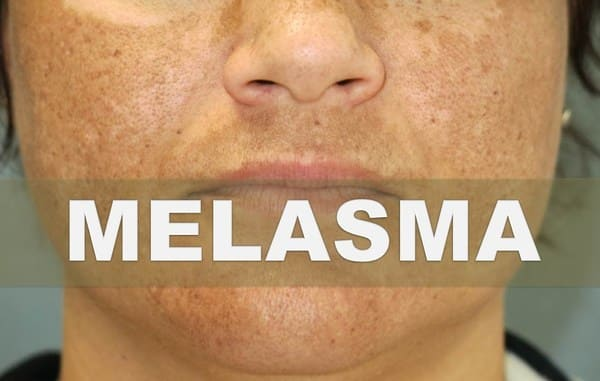
Melasma is a condition that primarily causes symmetrical spots on the face (forehead, cheeks, or upper lip). It occurs due to an increase in melanin in the epidermis or dermis. This condition is more common in individuals with darker skin tones or those with high sun exposure. Although it can also appear in men, 90% of melasma patients are young women, including dark spots on sun-exposed skin. It is most common in pregnant women (chloasma) and less common in women taking oral contraceptives.
Is Melasma Covered by Health Insurance in Spain?
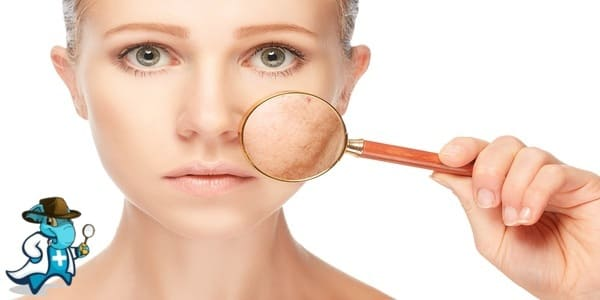
Melasma is a dermatological condition characterized by dark patches on the skin, typically in sun-exposed areas like the face. In Spain, its treatment raises questions about whether it is covered by health insurance, since it is mainly considered an aesthetic issue.
The Spanish public health system, known as Seguridad Social, primarily covers treatments that are medically necessary for health reasons. Because melasma typically does not pose a serious health risk but rather affects appearance, Seguridad Social generally does not cover its treatment—especially procedures like laser therapy or chemical peels, which are geared toward cosmetic improvement.
However, some private health insurance plans may offer partial or full coverage if the condition is considered more serious, such as when it leads to psychological distress or significantly affects a patient’s quality of life. In such cases, a prior medical evaluation is key to determining if treatment qualifies for coverage.
It’s important to consult directly with your insurance provider to understand the specific terms of your policy and whether recommended treatments—such as depigmenting creams or cosmetic procedures—are included or require a co-payment from the insured.
Best Health Insurance Plans That Cover Melasma in Spain
In Spain, coverage for melasma treatment varies significantly depending on the insurance provider and the type of policy. Since melasma is largely considered a cosmetic condition, many insurers do not offer full coverage for advanced treatments like laser therapy or chemical peels. However, there are insurance plans that provide some level of coverage or offer discounts at specialized clinics.
- Mapfre is one of the top insurers in Spain, and some of its health policies include coverage for dermatology consultations and basic treatments for skin conditions like melasma. While advanced cosmetic procedures are generally not included, some plans grant access to discounted services at affiliated clinics.
- Sanitas, another leading provider, offers policies that cover visits to dermatology specialists and certain pharmacological treatments. They also provide access to private medical centers with advanced technology for the diagnosis and monitoring of melasma.
- Adeslas and Asisa also offer medical insurance plans that include dermatology consultations and, in some cases, discounts on specific skin treatments such as depigmentation therapies.
It is advisable to carefully review each policy’s terms and specifically inquire about coverage for aesthetic treatments, as they may require co-payments or be subject to exclusions.
Types of Melasma in Spain
Understanding and identifying the cause of hyperpigmentation on our face can help us find more effective treatments. It’s very important to distinguish the three types of melasma:
- Epidermal melasma: Affects the upper layer of the skin (epidermis), with brown pigmentation and clear edges.
- Dermal melasma: Affects the deeper layer of the skin (dermis), with blue or gray patches.
- Mixed melasma: Affects both the dermis and epidermis, with pigmentation in shades of brown-blue and gray-blue.
Symptoms of Melasma in Spain
- Melasma typically appears as darker patches on the cheeks and nose.
- These patches may start small but can grow over time.
- Unlike moles, they are flat and not raised.
- In some cases, dark patches may also appear on the neck and arms.
- Melasma doesn’t cause itching or pain; the only symptom is the visible skin discoloration.
Should You See a Private Dermatologist for Melasma Treatment, or Does Public Healthcare Offer Suitable Options?
Melasma treatment can be accessed through both public and private healthcare systems in Spain, depending on the situation.
In Spain’s public healthcare system (Seguridad Social), dermatologists are available through referrals. If melasma significantly affects quality of life, such as extensive or treatment-resistant patches, a primary care doctor may refer the patient to a public dermatologist. However, because melasma is often seen as a cosmetic issue, advanced treatments like lasers or chemical peels are rarely available under public healthcare, as they are not usually covered.
Private dermatology offers greater access to specialized treatments, such as laser therapy, deep peels, and advanced depigmenting products. These come with additional costs but can provide quicker and more comprehensive results.
In summary: public healthcare can offer basic treatment options, but for faster and more advanced care, private dermatology is likely the best choice.
What Dermatological Tests for Melasma Are Usually Covered by Health Insurance in Spain?
Health insurance in Spain may cover some dermatological tests related to diagnosing melasma, though it depends on the insurer and the specific policy.
The initial diagnosis is typically made during a clinical consultation, where a dermatologist visually examines the skin. This initial exam is generally covered by private insurance, and often by the public system as well.
To assess pigment depth, a Wood’s lamp may be used. This ultraviolet light highlights melanin levels. While non-invasive, it may not be covered by all policies, as it’s considered supplementary.
Advanced tests like skin biopsies or lab analyses are rarely needed but may be covered if other serious conditions are suspected. However, specialized treatments (e.g., lasers, peels) are often considered cosmetic and excluded from most insurance coverage.
Causes of Melasma in Spain
The most likely cause of melasma is the overproduction of melanin by melanocyte cells. This hyperpigmentation often appears during pregnancy (referred to as the “mask of pregnancy”) or in women taking oral contraceptives, but it can affect anyone. It’s more common and longer-lasting in individuals with darker skin. About 10% of cases occur in non-pregnant women and men with darker skin.
Those with high sun exposure are at greater risk of melasma. Other risk factors include autoimmune thyroid conditions and medications that increase skin sensitivity to sunlight.
How to Prevent the Appearance of Melasma in Spain
Since genetics are an unavoidable cause, it’s crucial to focus on external skin protection. The most important step is to avoid sunlight exposure. Use hats and limit sun exposure whenever possible—especially if you have a family history, are pregnant, or are using hormonal supplements.
Use of Sunscreens and Products in Spain
Sunscreen should be used daily, even on cloudy days. Choose a high SPF product suited to your skin type. Regenerative serums and creams can help repair and renew skin. For example, RC Skin Growth Factor Xtreme by Riscell supports skin regeneration and firmness.
Dermatological Treatments for Melasma in Spain
Chemical peels or laser treatments can reduce melasma. Epidermal melasma is the easiest to treat due to its shallow depth.
- Chemical Peels: Use solutions (like AHAs) to exfoliate and stimulate new skin growth.
- Laser Therapy: Offers precise results. Dermatologists can adjust treatment intensity. Common lasers include Alexandrite, Ruby, or Nd:YAG. However, these can cause post-inflammatory pigmentation or recurrence.
- Intense Pulsed Light (IPL): Has shown the best results when used with prevention and whitening methods.
Other Treatments: Medications or Active Ingredients for Melasma in Spain
Hydroquinone may be prescribed short-term as an effective topical treatment, though it can cause irritation and redness.
Other helpful ingredients include kojic acid, thiotic acid, ellagic acid, azelaic acid, and arbutin. These are often combined with hydroquinone. Look for creams with these components to prevent or reduce melasma.
Diagnosis of Melasma in Spain
Dermatologists can diagnose melasma by its typical shape and color. Basic blood tests may rule out other conditions. For women of childbearing age, pregnancy testing may be advised.
A Wood’s lamp test helps diagnose melasma by highlighting melanin under UV light.
Can Melasma Be Completely Removed in Spain?
If contributing factors like sun exposure or hormonal treatments are eliminated, therapies can help clear melasma. Recommended products include:
- Azelac Ru Luminous Fluid SPF50: A depigmenting cream with brightening pigments and SPF50.
- Azelac Ru Liposomal Serum: High-concentration pigmentation serum with antioxidants. Suitable for all skin types, used year-round.
- Mediderma Target Nanopeel: A chemical peel with encapsulated active ingredients that release gradually for deeper penetration. Effective against melasma, sunburns, acne, rosacea, and photoaging.
Dark Spots on Skin – What Can I Do in Spain?
Sun exposure is the primary cause of skin spots, even more than age. UV radiation stimulates melanin production, which can result in localized skin spots.
What Are Oral Sunscreens in Spain?
Oral sunscreens are dietary supplements that support cellular photoprotection. They usually contain vitamins, beta-carotene, and plant-based antioxidants that improve skin resistance to UV rays.
Seven Golden Rules for Autumn Skin Care in Spain
- Avoid over-cleansing. One shower a day is usually enough.
- Use sun protection even in autumn and indoors (e.g., offices, cars).
- Moisturize twice a day, especially arms and legs.
- Quit smoking—it ages the skin.
- Eat plenty of fruits and vegetables.
- Protect your skin from wind and cold.
- Use antioxidants (vitamin C, E, carotenoids, Q10).
Health Insurance and Melasma in Spain
By simply filling out a form, you can receive free advice. Health insurance may cover melasma and other skin conditions, and we also offer a 35% discount.
We Help You Find the Best Health Insurance for You or Your Loved Ones

At MejorSeguroMedico.es, we want to protect and take care of your health. You can get your health insurance up to the age of 84. It’s designed to offer the best health coverage for you or your loved ones. ✅ We Guarantee the Best Price and Coverage Based on Your Specific Needs. Get Informed for Free and Without Obligation.